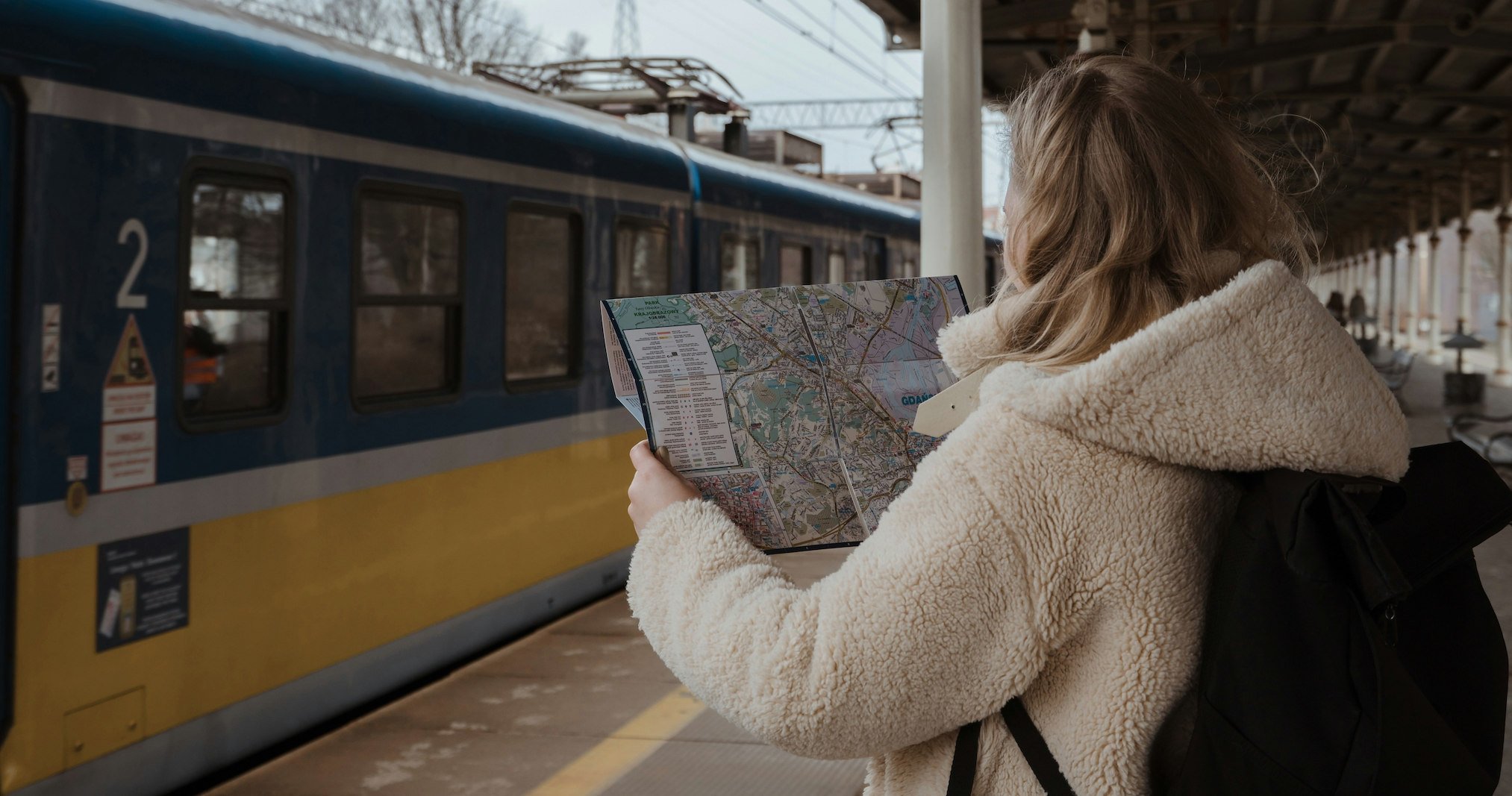
I remember when getting lost was a feature, not a bug. When I traveled in my car or when I walked a new city somewhere in the world, I relied on printed maps and gut instinct. I got directions from the gas station attendant or a friendly stranger. If I missed a turn, I sometimes stumbled onto something completely unexpected, perhaps a quirky roadside antique shop, or an outdoor restaurant that changed my whole memory of the trip.
As I was getting where I was going, I discovered new things along the way.
Serendipity refers to an unplanned, fortunate discovery or a stroke of luck where something valuable or delightful is found without actively searching for it. I often describe serendipity as a happy accident.
The loss of serendipity
Compare my happy accidents to what happens today. My phone tells me every step of the journey, updates for construction, reroutes for traffic, and counts down the minutes to arrival. It’s efficient, yes. But it’s sterile. I miss those surprises and the joy of accidental discovery.
It’s not just travel. Think about picking a restaurant in a new city. I used to ask the hotel concierge for a recommendation or just wander around, letting menu boards, a mouthwatering aroma, or the buzz of a crowd draw me in.
Maybe I’d end up at a perfect hole-in-the-wall. Now, an algorithm on Yelp or Google sorts every option by your past preferences or aggregated five-star reviews. It corrals you toward the same few “top picks” as everyone else, sterilizing the adventure of eating somewhere new.
Or consider how we get news. Not that long ago, I opened physical newspapers and saw what the editors chose as important. Some of it matched my interests, but a lot didn’t and that’s what made it interesting and valuable. I might stumble upon a story about a new local musician, or a scientific breakthrough, or an opinion piece that challenged my assumptions.
Today? If it isn’t already in the algorithmic feed, the echo chamber, I may never see it. Everything is prefiltered based on previous clicks, shares, and swipes. The path is efficient, frictionless, and robbed of surprise.
Social networking drives us to niches
Social networking algorithms are perhaps the most powerful force behind this shift, the invisible hand that shapes discoveries while pretending to open horizons.
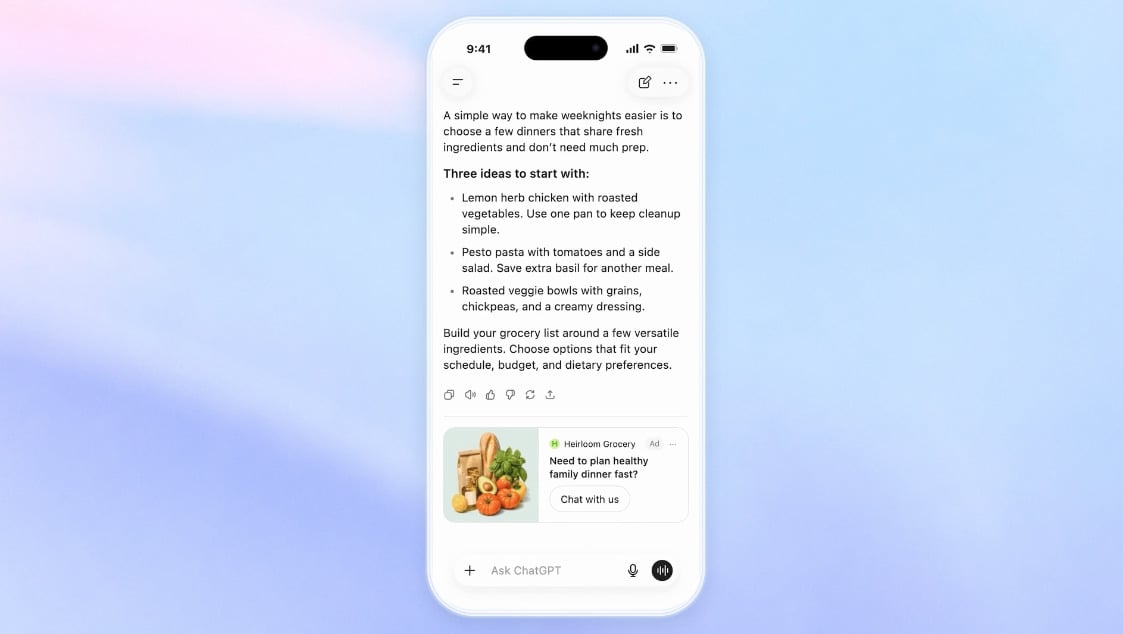
Every post you see is selected based on what you’ve already “liked” or watched. Every friend suggestion, every trending topic, every ad is served up precisely because it matches what you’ve done before. If you happen to follow a link to something new, the system notices, and you’ll see more and more of the same.
We’ve traded randomness, happenstance, and surprise for relevance and speed. The trouble is, that’s not how true discovery works.
When we were guided by surprise, we were more open-minded because we didn’t know what we were going to encounter. We got exposed to things we’d never imagine. Now, all our “recommendation engines” keep us in safe, predictable lanes.
Serendipity isn’t just nostalgia
You might think this is just “old guy nostalgia”, that wanting surprise and discovery is about missing how things used to be.
There’s an untapped marketing opportunity for organizations bold enough to go against conventional wisdom.
Brands and organizations that help people rediscover serendipity earn more than fleeting clicks. They earn devotion. Any time you introduce someone to something new and delightful, you’re not just providing a product or service. You’re providing a feeling, a spark that cuts through the noise and sticks in memory.
That’s the seed of true fandom.
People fall in love with brands the same way they fall in love with new music, new cuisines, or new ideas: through surprise, delight, and that sense of “Wow, I never would have found this on my own.”
Serendipity as a key to fandom
As entrepreneurs and marketers, we have a unique opportunity to move beyond just serving up what’s expected. We can engineer moments of pleasant surprise.
Serendipity in marketing, deliberately creating surprise and facilitating unexpected discovery, might look like:
A bookstore staff pick that introduces you to an author far outside your usual genre.
Spotify’s Release Radar surprising you with a rising artist you’d never search for directly.
Brands curating themed boxes or discovery experiences, letting customers “sample the world” rather than just replenishing what they already buy.
Restaurants offering “mystery menus” or chef’s-choice nights.
Museums offering “random pathway” tours.
Newsletters or digital publications that deliberately mix in off-topic stories you’d never search for.
Live events where the schedule includes “wild card” experiences or speaker slots.
Trader Joe’s is a great example of an organization that uses serendipity. Products come and go and the fear of missing out on “what’s new on the shelf this week” can be a driving force for many TJ fans. Unexpected, rotating products create surprise, and loyal fans follow the magic.
Design for discovery
You don’t have to return to paper maps (though there’s nothing wrong with them) to bring back serendipity. The trick is to break the algorithmic mold and intentionally design moments where your audience can try, see, read, or taste something outside their usual pattern.
Figure out ways to honor humans over algorithms.
If your organization helps people find something they didn’t know they wanted, you’ve made yourself memorable. That’s a gift in a world where every algorithm tries to slot you into a box.
You’ll build long-term loyalty, because people love to share the story of an unexpected find. “You’ll never believe what I found…” is the starting point of countless passionate referrals.
The efficient web makes it easy to find what we already like. That’s not going away.
However, magic can happen when someone finds something delightful that they weren’t searching for.
Making space for serendipity is a marketing opportunity precisely because most brands won’t do it.
Become the entrepreneur, the marketer, the storyteller who engineers surprise. Delight your audience with the unexpected. Break the spell of the algorithm and invite a little randomness back in.
Image: Polina Kuzovkova for Unsplash+