

Search for topics or resources
Enter your search below and hit enter or click the search icon.
 Fandom marketing is the strategy of turning casual customers into devoted fans who buy everything you make, tell everyone they know, and forgive you when you stumble.
For two decades, I've studied how fandom works as a business strategy, from the Grateful Dead’s fan-first business model to K-pop’s global fan armies to the lines that form outside Trader Joe’s every time they drop a new mini tote bag.
My books including Marketing Lessons from the Grateful Dead: What Every Business Can Learn from the Most Iconic Band in History, Marketing the Moon: The Selling of the Apollo Lunar Program (the inspiration for a PBS American Experience mini-series and a big-budget Hollywood rom com), Fanocracy: Turning Fans into Customers and Customers into Fans (a Wall Street Journal bestseller, and The Fandom Playbook each dig into how to build fans.
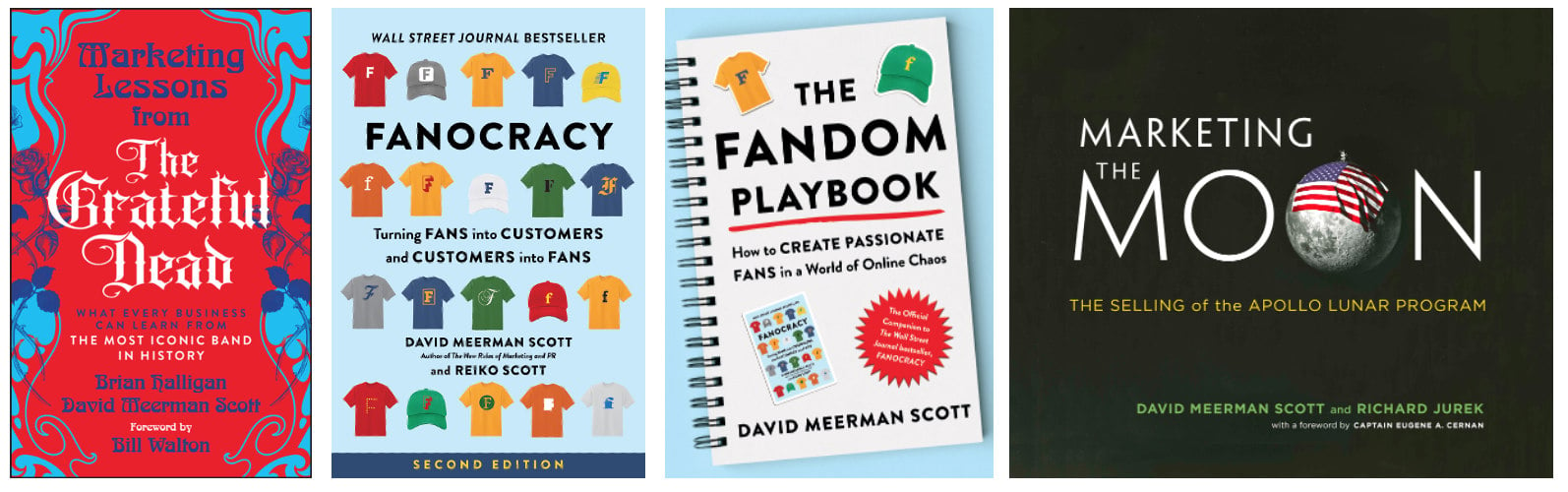
I literally wrote the playbook for building genuine fandom around any brand, product, or organization.
This guide distills what I have learned into one comprehensive resource. Whether you are a startup founder, an entrepreneur, a Fortune 500 CMO, or a nonprofit leader, or an artist, you will walk away with a clear understanding of what fandom marketing is, why it works on a neurological level, and exactly how to build it for your organization.
Thank you for your interest in building fans of your business!
David Meerman Scott
Fandom marketing is a business strategy that prioritizes creating genuine fans over simply acquiring customers.
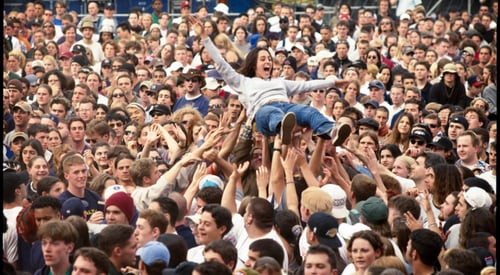 A customer buys once. A fan buys again and again, advocates on your behalf, defends you against critics, and becomes part of your story. Think about the people who camp out for a new product release, who tattoo a brand logo on their body, or who travel thousands of miles to attend a live event. That is fandom in action.
Traditional marketing focuses on features, benefits, and persuasion. Fandom marketing flips the model. Instead of pushing messages at people, you build something so meaningful that people pull themselves toward you. The result is what I call a "fanocracy": an organization powered by its fans.
Fandom is not a new idea. The Grateful Dead pioneered fan-first business practices decades ago by encouraging fans to record concerts and swap them to create a community. What's new is the recognition that every business, not just bands and sports teams, can harness fandom as a growth engine. A B2B software company, a regional hospital, a craft brewery, and a financial services firm can all build genuine fans when they commit to the right principles.
Over the last decade, our online landscape has become both a marvel and a mess. Sure, the tools to create, share, and join the virtual conversation are within everyone’s reach. In this world, it’s easy to know thousands of people, yet harder than ever to feel seen and to belong. The voices in your social feeds are louder but often hollower, the content sharper but more fleeting.
 Partly because of toxic social media algorithms, and AI generated content the democratization of content didn’t bring us together the way we hoped. Instead of being thoughtful, millions of people just toss out more. Instead of connecting with others, many people are just broadcasting their pitches and come-ons. Marketers the world over have become slaves to the social algorithms rather than creating content that truly matters. We’re boxed into echo chambers and swept into endless cycles of outrage or distraction. Social media platforms don’t incentivize empathy, understanding, or nuance. Instead, they often push us apart. As the internet barrels forward with a relentless force, the noise only grows. The addition of generative AI in the mix now means you can’t always know if what you’re seeing comes from a real human or a sophisticated bot. That blurring of lines between authentic and artificial, between a personal voice and machine-generated chatter, makes trust more elusive than ever.
It is in this context, a world teetering between abundant connection and rising loneliness, that the hunger for real human interaction, actual belonging, has never felt so urgent.
Our current world is one of online chaos; it’s a landscape where everyone can share but almost no one gets heard, at least not in the way that matters. With the easy availability of ways to shout your message, attention has become an increasingly scarce commodity. It isn’t enough to get your ideas “out there”; the real question is, does anyone care? We surf algorithms built to grab and sell our attention, fueling outrage, division, and radicalization. We’re more polarized than ever, and the sense of community, of knowing and being known, feels like it’s slipping away.
At this time of so much confusion and noise, one thing stands out as a radical alternative: fandom.
It’s what those goose bumps at a packed stadium, that feeling at a sold-out concert, or the rush at a conference full of like-minded people are all about. It’s meeting your tribe at the bowling league, or at your favorite fly-fishing spot, or on the social dance floor.
Fandom is not just an emotional phenomenon. It is rooted in neuroscience. Understanding the brain science behind why people become fans gives you a practical framework for engineering fandom intentionally.
Mirror neurons are the brain cells that fire both when you perform an action and when you observe someone else performing that same action. They are the biological basis of empathy, and they are central to how fandom works. When you watch a performer on stage pouring their heart out, your mirror neurons fire as if you are experiencing that emotion yourself. When a brand creates an experience that triggers this mirroring response, the bond between the brand and the customer deepens dramatically.
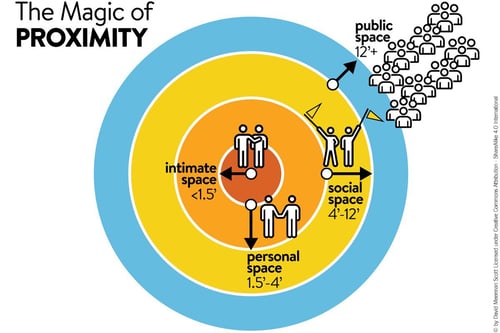 Proximity is the other key driver. The closer you are to someone, physically or emotionally, the stronger the connection becomes. This is why live events create such powerful fandom. Being in a crowd of thousands at a concert, standing shoulder to shoulder with other fans, triggers a neurological response that no social media post can replicate. Research shows that shared experiences, especially those involving physical proximity, release oxytocin, the bonding hormone that builds trust and loyalty.
The practical takeaway for marketers: to build fandom, you need to create opportunities for shared experience and emotional proximity. That can happen at a live event, inside a community forum, through a personalized interaction, or even through content that makes people feel seen and understood. The medium matters less than the depth of connection.
It might be tempting to assume that building this kind of devoted community is reserved for global superstars, massive brands, or flashy creative fields.
However, I’ve learned that fandom is for everyone. Fandom is for you.
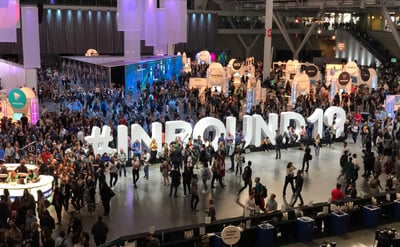 Take HubSpot, for example. You might think a company offering B2B software for marketing, sales, and customer service would struggle to generate enthusiasm beyond users logging in to check their dashboards. Instead, HubSpot has cultivated a global community of enthusiastic fans. Their annual INBOUND conference attracts thousands of people from around the world, eager not just to learn about software but also to connect with one another, share ideas, and celebrate the collective journey. HubSpot’s commitment to education, through free courseware, certifications, vibrant online forums, and insider stories, turns customers into lifelong fans. They host user groups and warmly invite the community to help co-create the future of the platform. As a member of the HubSpot Advisory Board since 2007, I’ve seen firsthand how genuine two-way engagement can transform business relationships into powerful, lasting fandom.
Organizations can nurture passionate fans even in industries that customers hate!
 Do you love car insurance? When I ask that question at my talks, nobody’s hand goes up. We don’t like to spend money on car insurance because all we get is a policy. And it’s no fun at all to use the product because it means your car crashed or was stolen. Hagerty, a company that insures classic cars, realized their customers weren’t just buying policies; they were passionate about car culture, restoration, and road trips. So Hagerty leaned all in, building community through events, driving tours, online content, and car shows. They created an entire ecosystem celebrating car love, connecting collectors of all stripes, sharing restoration stories, and even launching their own magazine. Hagerty isn’t just an insurance provider; it’s the center of a movement. When your company’s hats and jackets show up at car meets and clubhouses, you know you’ve built real fans, even in an industry people hate.
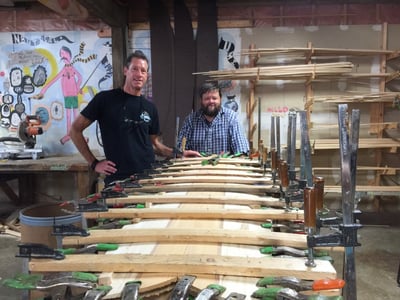 Fandom also drives success at small organizations. Grain Surfboards, tucked away on the coast of Maine, has built a strong following around handcrafted wooden surfboards. They open their workshops for people to build their own boards side by side with the artisans. They share their process, celebrate custom boards on social media, and invite past students to join a growing community of surfers and storytellers. As a customer, when you buy one of their surfboards, you also join the Grain Surfboards family, one that rides the waves together.
Fandom is also for professional service providers and nonprofits and restaurants and, well, you. Because any organization can build fans.
Whether you sell to businesses or individuals, offer services or products, operate locally or globally, the ingredients for fandom are the same. When you build real connections, invite participation, and give people a sense of belonging, you transform buyers into advocates, and advocates into fans for years to come.
After studying hundreds of organizations that have successfully built fandom, from legendary musicians to clever nonprofits, savvy professional services firms to creative artists, and scrappy startups, I've identified repeatable strategies that any business can follow.
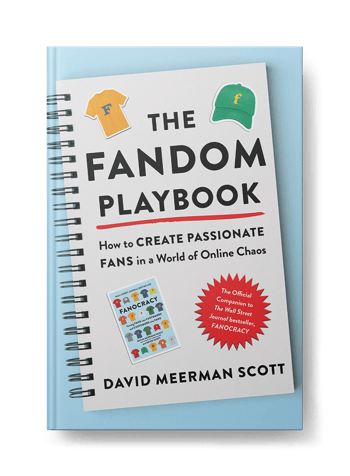
I call them "plays". You can implement just one play or several.
I cover these in depth in my book The Fandom Playbook from Entrepreneur Press.
Your first play could be as simple as using photos of your team and your customers on your website and marketing materials instead of inane stock photos. Or maybe you will choose to invite people behind the curtain of secrecy to see how you work. Over the past year, I’ve helped everyone from artists to CEOs to nonprofit leaders pick and choose a couple of plays that fit their mission, culture, and bandwidth. This playbook will show you how I do it.
When marketers and entrepreneurs ask me for advice, I tell them it’s no longer enough to generate attention or close the next sale. If you want staying power, relevance, and real-world impact, you should spark a sense of belonging. Your role becomes the instigator of something bigger than a transaction or a viral moment.
There’s an added benefit. When people are your fans, they’re loyal. They stick with you even if a lower-cost or flashier competitor emerges.

Reduce the physical and emotional distance between your organization and your audience. Create opportunities for real human interaction, whether through live events, small-group experiences, or one-on-one conversations.
The brands that win at fandom are the ones that refuse to hide behind press releases and chatbots.

The Grateful Dead let fans record and trade their concert tapes, and it became one of the most powerful marketing engines in music history. When you give fans permission to remix, share, and co-create, you do not lose control. You gain an army of advocates.
The instinct to control every brand touch point is the enemy of fandom.

Fans do not just buy products. They adopt identities. Being a Deadhead, a Swiftie, or an Apple devotee is a statement about who you are. Your job is to create a fan identity that people are proud to claim.
Give fans a shared language, rituals, and symbols that signal membership in the tribe.

Shared experiences are the accelerant of fandom. When people go through something together, whether it is a concert, a product launch, a community challenge, or even a difficult moment, bonds form that are nearly impossible to break. A weekly live Q&A session, an annual customer meetup, or a collaborative project can all create the shared experience that fandom requires.
Design moments that bring your audience together. These do not have to be expensive or elaborate.

Fandom cannot be extracted or manufactured. It must be earned. The most durable fandoms are built on a foundation of generosity: giving people more value than they expect, surprising them with thoughtfulness, and consistently showing up for your community.
When you lead with generosity, fans reciprocate with loyalty that no loyalty program can match.

Understanding fandom marketing is one thing. Implementing it is another. Here is how to start building genuine fandom for your organization, regardless of your industry or size.
Audit your current customer relationships. Ask yourself honestly: do you have customers or do you have fans? Are people talking about you when you are not in the room? If someone asked your best customer to describe your organization in one word, would that word carry emotional weight? If the answers are not where you want them to be, that is your starting point.
Identify your most passionate existing supporters. Every organization has them, even if there are only a handful. These are the people who already love what you do. Talk to them. Find out why they care. What they tell you will reveal the emotional core of your brand, and that core is the foundation you will build your fandom strategy on.
Create one signature fan experience. You do not need to overhaul your entire business overnight. Start with one thing that makes your fans feel special. It could be an exclusive behind-the-scenes look at your process, a community event, a handwritten thank-you note to your top customers, or a co-creation opportunity where fans help shape a new product. One genuine moment of connection is worth more than a thousand marketing emails.
Measure what matters. Traditional marketing metrics like impressions and click-through rates will not capture the value of fandom. Instead, track fan-specific indicators: repeat purchase rates, referral frequency, organic social mentions, community and engagement depth. These metrics tell you whether you are building fans or just processing transactions.
For a comprehensive, step-by-step playbook on implementing fandom marketing in your organization, see my book "The Fandom Playbook" (2026, Entrepreneur Press), which provides detailed frameworks, worksheets, and case studies for businesses of every size.
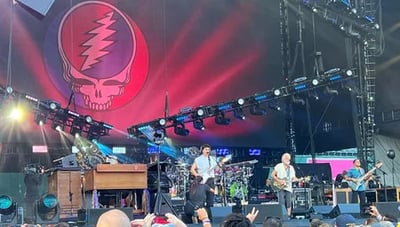 The Grateful Dead never had a number-one single. They were never the best-selling band of their era. Yet starting in 1965 they built one of the most profitable and enduring fan bases in entertainment history. How?
 When Trader Joe’s released their mini canvas tote bags, people lined up around the block and the bags sold out within minutes.
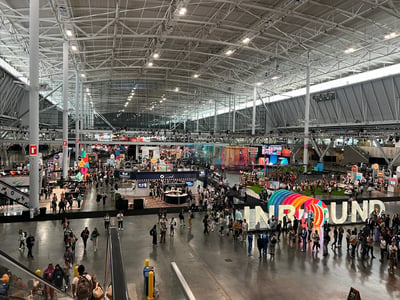 From the beginning, HubSpot co-founders Dharmesh Shah and Brian Halligan focused on building a company culture that people will love.
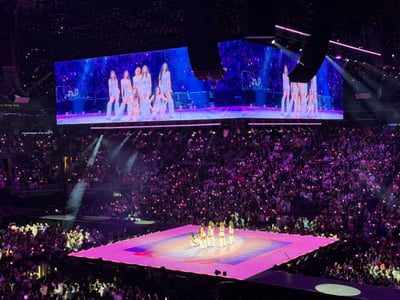 K-pop offers perhaps the most sophisticated modern example of engineered fandom. Groups like BTS have built global fan armies (in their case, the ARMY) that are so organized and passionate they can move markets, chart positions, and even influence social causes.
 At a time when many people both around the world and here at home question what America stands for, comes NASA's Artemis II Lunar Mission. The stunning photos, fascinating live mission commentary, and sheer adventure of humans traveling to the moon for the first time since 1972 has the world buzzing.
 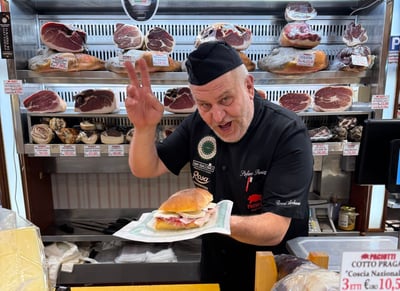 I met Stefano Paciotti and his family at their fabulous gourmet food shop in Rome, located close to Vatican City. I was eager to learn how Stefano used Instagram, Facebook, and TikTok to build fans and transform a small family business into an international success story.
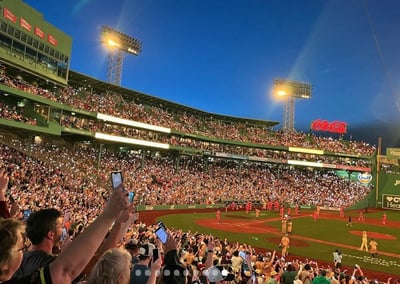 When Jesse Cole was a baseball-loving kid growing up near Boston, he dreamed of playing at Fenway Park. On Saturday, his Savannah Bananas, the team he’s owned since 2016, played their debut at Fenway, delighting the largest crowd at the storied ballpark this year. This is a story of the powerful results of putting fans first.
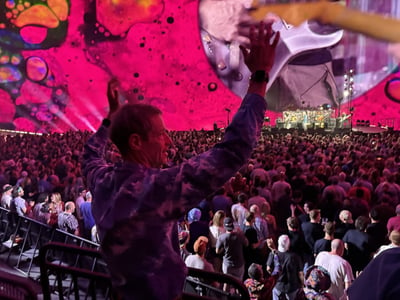 When Dead & Company announced their residency at the Sphere in Las Vegas, fans traveled from around the world to be there. The shows combined the Grateful Dead’s legacy of live improvisation with the Sphere’s immersive visual technology, creating an experience that was both deeply familiar and entirely new.