If you’ve paid attention to global music trends over the past decade, you’ve seen a wave of Korean pop on the charts, playlists, and social media feeds.
It’s much more than the music that have nurtured millions of devoted K-pop fans from all over the world. Groups like BTS, BLACKPINK, and so many more are not just making hit singles, they’re building worldwide movements.
We’re witnessing a phenomenon that every business, creator, or entrepreneur can learn from. K-pop shows how a vibrant, loyal fandom becomes the fuel for explosive success.
The secret? It’s not just the music.
The foundations of fandom
K-pop crosses boundaries and breaks language barriers where so many others fail because of a genuine, participatory culture that goes far beyond passive consumption.
Sure, K-pop songs are catchy, and the choreography is mind-blowing. But the magic is in the relationship between artists and fans. K-pop idols go out of their way to invite fans in. Through livestreams, behind-the-scenes clips, and personal social media posts, artists share their personalities, struggles, vulnerabilities, and everyday routines. We follow bands as they create and rehearse and travel. This transparency makes fans feel like they’re not just watching stars, they’re part of the journey.
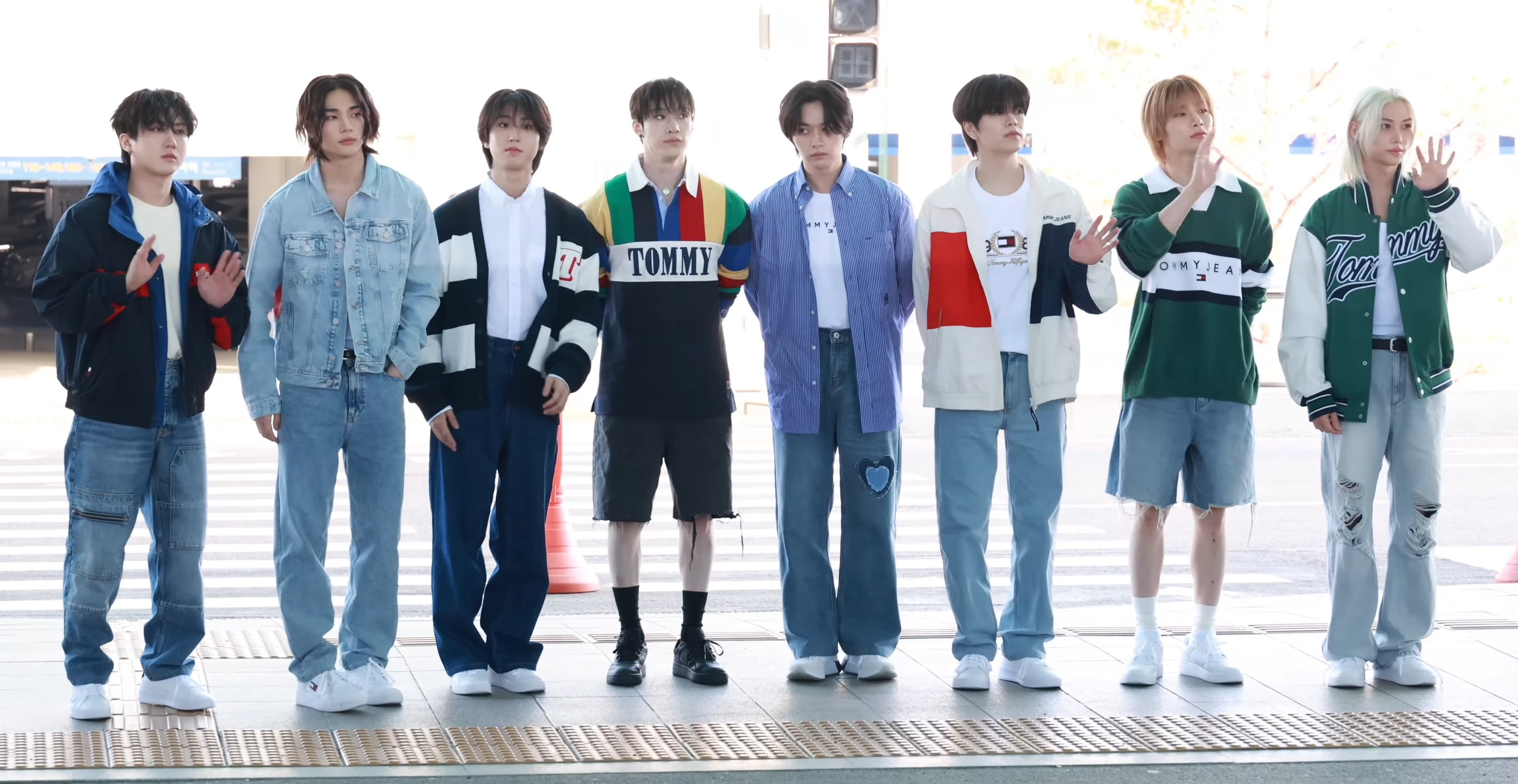
 As a parent of a K-pop superfan, I’ve seen this firsthand. My daughter Reiko, co-author of our book Fanocracy, recently traveled from Boston to Orlando just to see her favorite group, Stray Kids. For her and millions like her, fandom means loyalty, belonging, and a constant desire to contribute.
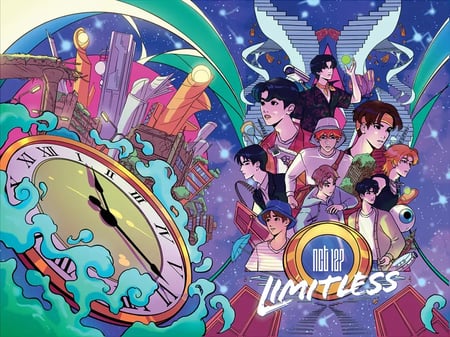
Reiko took her passion even further and wrote the first officially sanctioned graphic novel about a K-pop band. Her book, NCT127’s Limitless, was a joint effort together with Z2 Comics, Universal Music Group and NCT127’s Korean management agency SM Entertainment. This level of fan activation and collaboration defines today’s most successful fandoms.
For brands trying to build fans, there’s a clear takeaway. Fans instantly spot, and usually reject, superficial “influencer” partnerships. What resonates are genuine experiences, creative collaborations, and ongoing engagement.
Blur the line between creator and community
K-pop’s greatest lesson is the power of fan-driven engagement. These artists do not treat fandom as a numbers game. They listen, share, respond, and sometimes even co-create.
The most successful companies across any industry can learn from this playbook. By inviting customers to help shape your journey, you turn them into fans.
No matter what you’re building, a startup, a nonprofit, a side project, the lesson from K-pop is that lasting fandom requires trust, transparency, and a willingness to relinquish some control. By opening doors for participation and rewarding creative contributions, you empower people not just to buy, but to believe and belong.
Perhaps most inspiring of all, K-pop reminds us that human connection transcends geography and language. In the ocean of online chaos, what endures is honest storytelling, real relationships, and a sense of shared adventure.
Want even more? Learn more about fandom marketing. I’m working on a new book titled The Fandom Playbook scheduled for release in Q4 2026.
Stray Kids image via Wikipedia CC